Gain Confidence Through Hands-On CHHA Training
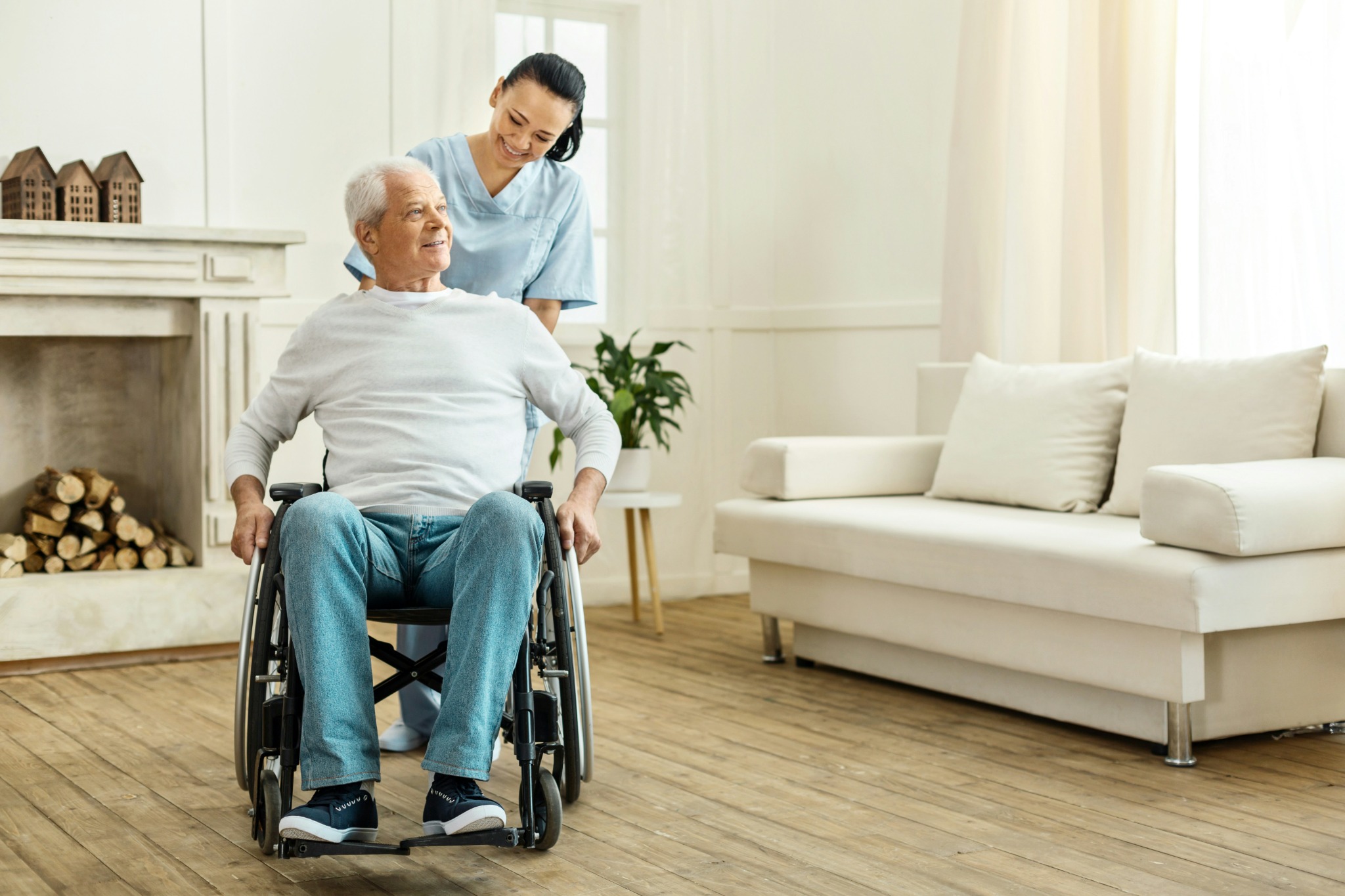
Clinical days give students a chance to put coursework into practice in a supervised learning setting. Instead of only reading about care, they can practice how to support people with patience, respect, and attention to comfort. This hands-on training helps bridge the gap between understanding the material and feeling more confident using it.
At Pawson Career Institute, we see clinical learning as an important bridge between education and employment. These training days call for preparation, participation, professionalism, and a real commitment to safe care. Some students may compare different healthcare paths, but this training is focused on preparing future Home Health Aides to provide compassionate support in home-based care settings.
Prepare Before Clinical Training Begins
Clinical learning builds on what students have already covered through coursework, assigned reading, skills practice, and program documentation. Arriving prepared matters because this is the time to apply knowledge, ask thoughtful questions, and practice under guidance.
Before arriving, students should review all directions from the program and make sure they are ready for the day. Practical preparation may include:
- Completing assigned coursework and required documents
- Arriving on time and ready to participate
- Wearing required attire and following hygiene standards
- Bringing any requested learning materials
- Sharing questions or concerns with school staff promptly
Preparation also reflects Integrity. We act with honesty, accountability, and transparency in every part of healthcare education. Completing your own work and following program directions help build the habits needed for dependable care. When preparation is taken seriously, it creates a stronger foundation for learning and for serving others respectfully.
Practice Care Skills Safely
Clinical training is designed for practicing care skills with qualified supervision and feedback. The goal is not simply to complete a task. It is to learn how to provide support in a way that protects comfort, dignity, and independence whenever possible.
During hands-on learning, students may be expected to show awareness of skills such as:
- Clear, respectful communication
- Infection-control practices
- Safe body mechanics
- Careful observation and reporting
- Respectful help with routine daily needs within the appropriate training scope
Every skill connects to the person receiving care. A caregiver should stay attentive, explain what is happening, and avoid treating care like a checklist. Excellence means delivering exceptional education, innovative training methods, and real-world learning experiences that prepare students for success in today’s healthcare environment. Clinical practice gives students time to improve technique, correct mistakes, and develop steady habits before moving forward.
Show Professionalism, Compassion, and Respect
Strong clinical performance involves more than skill steps. Students are expected to arrive on time, stay focused, communicate appropriately, protect privacy, and accept coaching with a positive attitude. These habits show respect for instructors, classmates, and the people who depend on healthcare workers.
Compassion & Respect are just as important. We believe every individual deserves to be treated with dignity, respect, and compassion. Quality care extends beyond clinical skills and includes recognizing the humanity of every person served. A routine task still calls for careful listening, patience, and respect for personal dignity.
When comparing programs, it helps to look beyond the task list. Healthcare training should build practical abilities as well as people-centered qualities. Future aides need both the confidence to perform care correctly and the kindness to treat every individual with respect.
Learn From Feedback During Clinical Training
Feedback is one of the most valuable parts of a clinical day. Instructors and supervisors observe student performance so they can point out what is going well and where more practice may be needed. Corrections are not a sign of failure. They are part of learning how to provide safer, more dependable care.
Students who grow during clinical training stay open to guidance. They may need to ask a question, repeat a skill, slow down, or try a different approach. That process can help them recognize progress while giving them a clear view of areas that need more attention.
Our mission is to bridge education and employment by equipping healthcare professionals with the knowledge, skills, and opportunities needed to strengthen the healthcare workforce and improve the lives of those they serve. Student Success remains central to that mission. We measure our success by the success of our students and are committed to supporting them from enrollment through graduation and into meaningful employment.
Take the Next Step Toward Readiness
Successful clinical days come down to a few steady habits: prepare before arriving, practice safely, act professionally, treat people with compassion, and learn from feedback. Each experience is meant to help students become more capable, more aware, and more confident in their future care role.
Before enrolling, students should understand current program details, admissions guidance, clinical expectations, and training requirements. Service reminds us that healthcare is more than a profession. It is an opportunity to make a meaningful difference in the lives of others. Workforce Impact also matters because preparing qualified healthcare professionals helps meet critical workforce needs and improve access to quality care.
Build Skills for Compassionate Home Care
At Pawson Career Institute, we support future Home Health Aides with practical instruction, respect for every individual, and a focus on student success. Learn how CNA classes in Trenton, NJ can help you build a strong foundation for healthcare training. If you have questions about enrollment or program expectations, contact us for guidance from our team.
Explore healthcare training at PCI.
Compare our current programs, review tuition, and find your application pathway.
Explore programs ↗